

.jpg?width=3012&height=4016&name=Winnow%20(2).jpg "Winnow (2)")
At Hilton London Croydon, Chef Ingus Mazais and his team have taken a practical approach to one of hospitality’s biggest challenges: food waste. With over two decades of experience in kitchens, Ingus has introduced a more structured, data-led way of working. Using Winnow Foresight, the team has reshaped how breakfast service is planned and prepared, resulting in a 52% reduction in leftovers while improving the freshness of the buffet. This has contributed to the hotel achieving the number one Hilton Breakfast score in the UK (February 2026).
What Is Winnow Foresight?
Winnow Foresight is an AI-powered forecasting tool designed to help kitchens know exactly how much food to prepare. By analysing historical kitchen data, guest numbers and leftovers, the system provides clear production plans for each service. For chefs and kitchen teams, this removes guesswork, helping them cook the right quantities, reduce overproduction and keep food fresher throughout service.
From Latvia to London kitchens
Ingus’ journey into hospitality began in Latvia, where he started working in the industry. During that time, he balanced his studies with hands-on experience in both front-of-house and kitchen roles. “I was studying to be both a chef and a waiter, but was always drawn towards being a chef.” After completing his apprenticeship, Ingus moved to the UK, where he began working in London’s restaurant scene. “I started in Camden in a gastropub. Everything was made from scratch,” he says. These early years continue to shape his approach today, particularly his focus on preparation, consistency and respect for ingredients.
Recognising the impact of food waste
Over time, Ingus became increasingly aware of the scale of food waste in professional kitchens. “You should treat it like it’s your own business,” he says. His perspective was further shaped by supply challenges. “After Brexit there was a shortage of certain ingredients, and you realise how important it is not to waste what you have.”
That awareness continues to influence how he approaches both kitchen operations and daily decision-making.
Tackling waste at breakfast
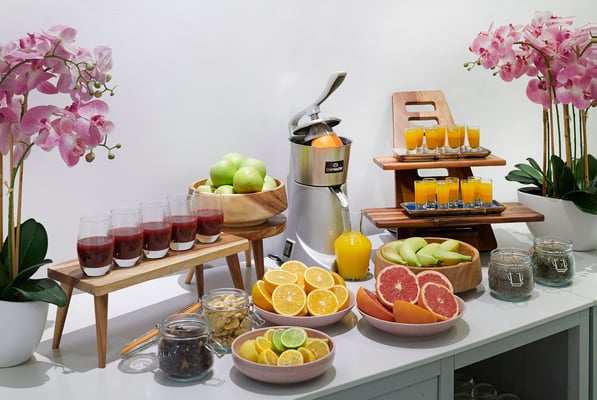
At Hilton London Croydon, the breakfast buffet presented the biggest opportunity for improvement. “Scrambled eggs were one of the biggest challenges,” Ingus explains. “They don’t stay fresh for long and are often overproduced.”
By using Winnow Foresight to understand consumption patterns and improve production, the team was able to reduce scrambled egg waste by 48%.
The team began moving away from bulk preparation and towards smaller, more controlled batches. Another example is with sausages. “If you think you need 100 sausages today, stretch them out so they stay fresh,” he says. This change in cooking approach led to a 57% reduction in pork sausage waste.
These improvements have contributed to the overall 52% reduction in leftovers, while helping ensure the buffet remains fresh and consistent throughout service. For Ingus, the motivation behind this work is simple. “It is just wrong to waste food after the time and care we take as chefs to prepare food,” he says.
Snap & Go: making waste tracking simple
After service, the team is able to track leftovers quickly and efficiently using the Snap & Go feature within Winnow Foresight. With a simple photo, Winnow’s AI automatically estimates both volume and weight of the food, and logs the data instantly without the need for weighing scales. “It saves time and makes it easier for the team to track food waste,” Ingus says. By removing manual tracking, Snap & Go allows the team to stay focused on service while improving forecasting and production accuracy.
Helping the team work smarter
Ingus says the system has also made day-to-day operations more structured for the team. “Not everyone is an expert in the kitchen, but once production quantities are clear, it’s easy for them to organise the day better.”
With clear quantities and guidance available, less experienced team members can approach service with more confidence. This allows chefs to focus more on delivering quality food rather than relying on guesswork, particularly during busy breakfast periods.
A better experience for guests
For Ingus, the impact of these changes is most visible in the guest experience. Preparing food in smaller batches ensures that dishes remain fresh throughout the breakfast service.
The improvements have also been reflected in performance and guest feedback. “In February, we finished number one in the UK for Hilton,” Ingus says. He credits both the increased freshness of the food and the team delivering the experience. “Of course the team plays a big role. They’re always smiling and looking after the guests.”
Final Advice
For Ingus, the experience highlights how combining kitchen expertise with better data can transform operations. Ingus encourages other chefs to stay open to new approaches and tools.
“Be open-minded and try these new tools. Once you test it and see the results not only will your costs benefit but also your customers.”

Comment on my blog